
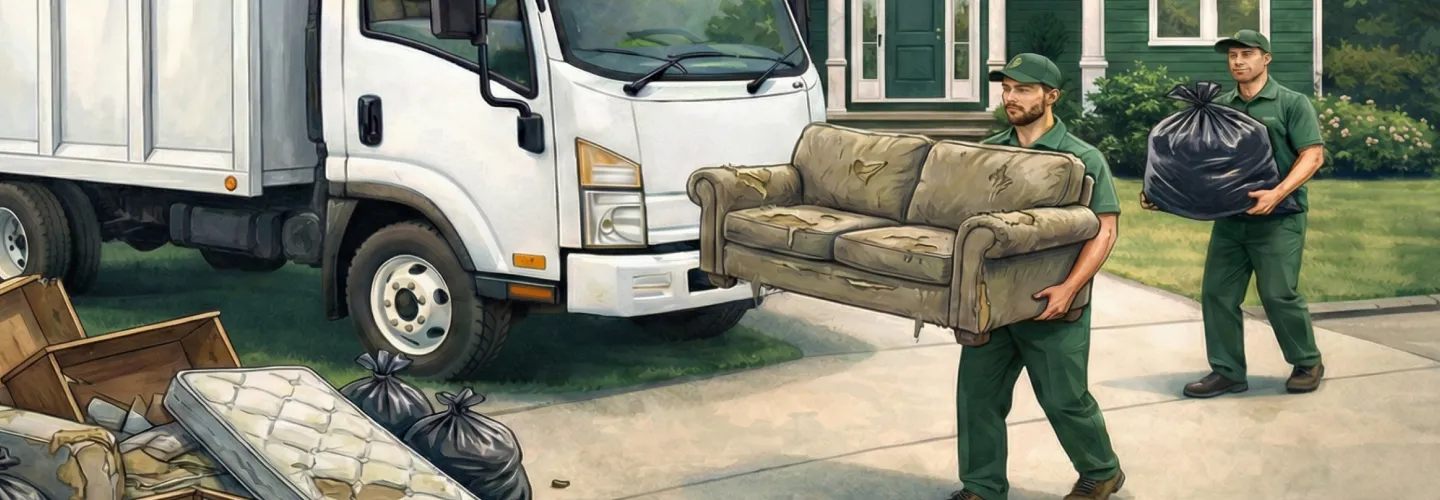
Duluth Construction Waste Management Services
Choose us for your construction waste management needs and experience hassle-free service, eco-friendly disposal, and a commitment to keeping your project on schedule and your site clean.
Get a Free QuoteOur Duluth Junk Removal Services
Construction Waste Management in Duluth, GA – Local Service Guide
Construction waste management in Duluth, GA, requires a tailored approach for both residential and commercial needs. In neighborhoods like Sugarloaf Country Club and Berkeley Lake, residents often need to dispose of bulky items—such as furniture, appliances, or hot tubs—during seasonal cleanouts, renovations, or after major life events. Local weather, property access, and item size can impact logistics, especially for large sheds or pianos. For residential spaces like garages, basements, and yards, spring and fall cleanouts are common, particularly after storms or in flood-prone areas near the Chattahoochee River. Commercial sectors in downtown Duluth and along Pleasant Hill Road face unique challenges, from office remodels to restaurant upgrades, requiring discreet, timely removal and handling of higher waste volumes. Specialty services—like dumpsters for construction debris or estate cleanouts—demand careful planning and coordination, especially for foreclosures or hoarding situations in older Duluth properties.
Key Considerations for Construction Waste Management in Duluth
- Timing cleanouts with local weather and seasonal events
- Securing necessary permits and following local regulations
- Choosing proper disposal or recycling channels for each item type
- Ensuring access for large vehicles and equipment
- Estimating waste volume for efficient removal
- Coordinating with service providers for specialty or high-volume projects
Benefits of Construction Waste Management in Duluth
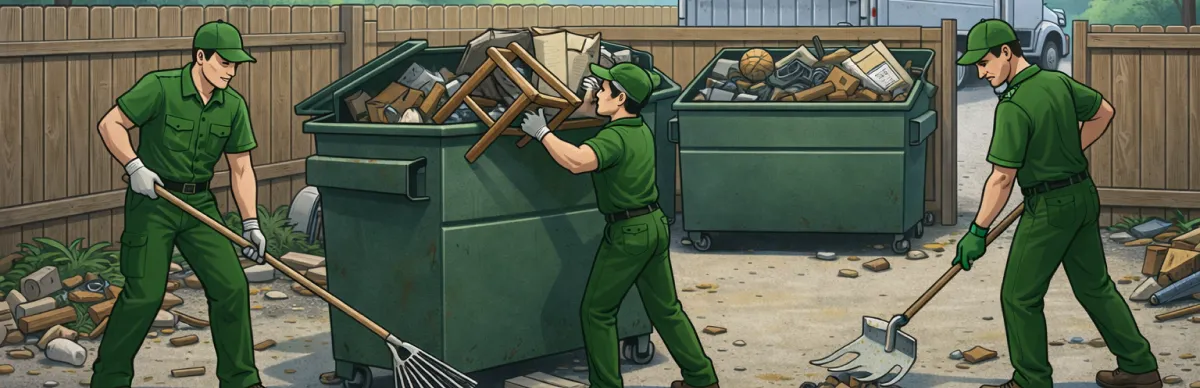
Efficient Waste Removal
Cost-Effective Solutions
Eco-Friendly Disposal
Regulatory Compliance
Improved Site Safety
Streamlined Project Timelines
Coordinating Construction Debris Disposal with Duluth's Planning and Development Department
Construction and demolition (C&D) waste generated within Duluth must be managed in accordance with municipal ordinances and permitting requirements. The Duluth Planning & Development department oversees building permits, which often include provisions for debris management during renovation and demolition projects. Before beginning any construction activity, property owners and contractors should confirm waste handling obligations tied to their permits.
- Building permits are required for most renovation, demolition, and new construction projects generating significant debris
- On-site waste accumulation must not obstruct public rights-of-way, sidewalks, or neighboring properties
- Debris containment is expected throughout the project duration to prevent windblown materials and runoff
- Permit conditions may specify approved disposal facilities and documentation of proper waste hauling
- Construction waste must be removed promptly upon project completion to avoid code enforcement action
Failure to comply with permit-related waste management conditions may result in stop-work orders or fines issued through the city's enforcement process.
Duluth Planning & Development Department
3167 Main Street, Duluth, GA 30096
Phone: (770) 476-3434
Official Website: Duluth Planning & Development
Georgia's Solid Waste Management Act and Construction Waste Compliance
Georgia state law establishes the regulatory framework governing construction and demolition debris disposal. The Georgia Environmental Protection Division (GA EPD) administers the Georgia Comprehensive Solid Waste Management Act (O.C.G.A. § 12-8-20 et seq.), which classifies C&D waste separately from municipal solid waste and sets requirements for its handling, transport, and disposal. Contractors and property owners in Duluth must ensure compliance with both state and local regulations.
- C&D debris includes concrete, lumber, drywall, roofing materials, metals, brick, glass, and plastics generated during construction, renovation, or demolition
- Inert waste landfills in Georgia accept materials such as concrete, brick, and asphalt that do not decompose or produce leachate
- Mixed C&D loads containing non-inert materials must be directed to permitted solid waste facilities
- Haulers transporting construction waste must use vehicles that prevent spillage and litter on public roadways
- Illegal dumping of construction debris is a violation under Georgia law, subject to fines and potential criminal penalties
All disposal facilities accepting C&D waste must hold valid permits issued by the GA EPD.
Georgia Environmental Protection Division
2 Martin Luther King Jr. Drive SE, Suite 1456, Atlanta, GA 30334
Phone: (404) 656-4713
Official Website: Georgia Environmental Protection Division
Duluth Code Compliance Requirements for Construction Site Waste Control
The Duluth Code Compliance division enforces property maintenance standards that directly affect how construction waste is stored and managed on active job sites. Violations related to debris accumulation, unsecured materials, or waste spillage onto adjacent properties or public areas can trigger enforcement actions. Contractors and homeowners undertaking construction projects should proactively address waste control to remain in compliance.
- Debris must be contained within the project site boundaries and not allowed to migrate onto sidewalks, streets, or neighboring lots
- Open burning of construction waste is prohibited within Duluth city limits
- Noise ordinances may restrict hours during which heavy waste removal equipment can operate in residential areas
- Temporary storage of construction materials and waste must not create safety hazards or attract vermin
- Complaints from neighboring residents regarding construction debris may prompt code compliance inspections
Property owners bear ultimate responsibility for site conditions, even when contractors are performing the work. Prompt removal of accumulated waste helps avoid violations and maintains neighborhood standards.
Duluth Code Compliance Division
3167 Main Street, Duluth, GA 30096
Phone: (770) 476-3434
Official Website: Duluth Code Compliance
Stormwater Protection and Erosion Control During Duluth Construction Projects
Construction activities that disturb soil and generate debris pose significant risks to local waterways and stormwater infrastructure. The Duluth Stormwater Management program enforces erosion and sediment control measures that directly intersect with construction waste management practices. Projects disturbing one or more acres of land require a Land Disturbance Permit and must implement a stormwater pollution prevention plan.
- Sediment and erosion controls (silt fences, inlet protection, stabilized construction entrances) must be maintained throughout the project
- Construction debris must not enter storm drains, ditches, or waterways — including concrete washout, paint, solvents, and sawdust
- Concrete washout areas must be designated and contained on-site to prevent alkaline runoff
- Hazardous materials such as paints, adhesives, sealants, and petroleum products require secondary containment and proper disposal per EPA RCRA regulations
- Site inspections are conducted by city staff to verify compliance with erosion control and waste containment requirements
Violations of stormwater protection requirements can result in stop-work orders, fines, and required remediation at the property owner's expense.
Duluth Stormwater Management Program
3167 Main Street, Duluth, GA 30096
Phone: (770) 476-3434
Official Website: Duluth Stormwater Management
Material Sorting and Hazardous Waste Separation for Duluth Construction Projects
Proper sorting of construction waste is essential for regulatory compliance and landfill diversion. Mixed loads containing hazardous materials may be rejected at disposal facilities, resulting in delays and additional costs. Contractors working in Duluth should establish on-site separation protocols to ensure each waste stream reaches the appropriate facility.
- Recyclable materials — clean concrete, asphalt, untreated wood, scrap metal, and cardboard — should be separated for delivery to recycling processors
- Asbestos-containing materials found in pre-1980 structures require testing by a certified inspector and removal by a licensed abatement contractor per EPA asbestos regulations
- Lead-based paint debris from pre-1978 buildings must be handled in accordance with the EPA Renovation, Repair, and Painting Rule
- Treated lumber (CCA-treated wood) must not be burned and requires disposal at a permitted solid waste facility
- Appliances and electronics encountered during demolition are subject to Georgia landfill restrictions and must be directed to appropriate recycling programs
Gwinnett County operates household hazardous waste collection events that accept certain materials from residential construction projects. Contact Gwinnett County Solid Waste Management for current schedules and accepted items.
What Neighborhoods Do We Serve Throughout Duluth, GA?
- Downtown Duluth: The historic town center features a mix of older commercial buildings and renovated structures. Construction projects here may require coordination with the city's planning department regarding historic preservation guidelines and limited staging areas for debris along Main Street.
- Sugarloaf Country Club: This established residential community includes large single-family homes on spacious lots. Renovation projects generate significant volumes of roofing, siding, and interior demolition debris, and HOA approval may be required before staging waste on-site.
- Parsons Run: A residential subdivision with standard suburban lot sizes and good street access for waste hauling vehicles. Homeowners undertaking kitchen or bathroom remodels should coordinate debris removal schedules to avoid prolonged curbside accumulation.
- Berkeley Lake Road Corridor: This mixed-use area includes both residential properties and commercial developments. Construction waste management here requires attention to traffic flow and right-of-way clearance during debris loading operations.
- Satellite Boulevard Area: A commercially active corridor with ongoing development and tenant improvement projects. Commercial construction waste must be managed in compliance with Duluth's ordinances and regulations, including proper hauler licensing and disposal documentation.
- River Drive Neighborhood: Proximity to the Chattahoochee River tributaries makes stormwater compliance particularly important during construction. Erosion controls and debris containment measures must be rigorously maintained to protect nearby waterways.