
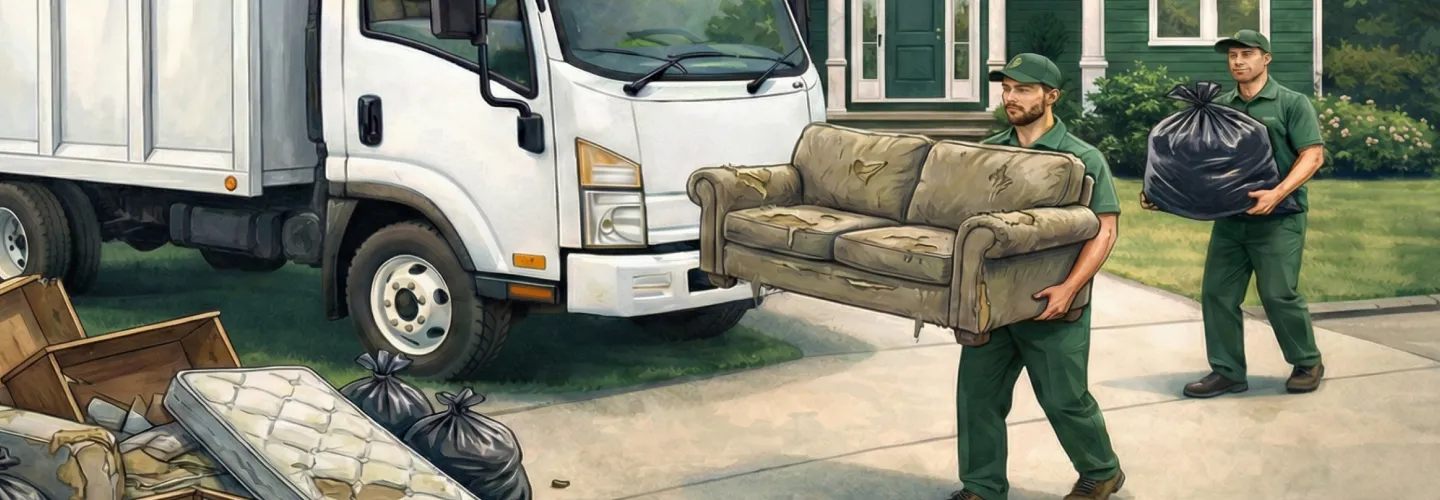
Duluth Piano Removal Services
Choose our piano removal experts for safe, efficient, and hassle-free service—protecting your home and instrument while saving you time and effort.
Get a Free QuoteOur Duluth Junk Removal Services
Piano Removal in Duluth, GA – Local Service Guide
Piano removal in Duluth, GA, is a specialized service often needed during home renovations, estate transitions, or when replacing old instruments. In neighborhoods like Sugarloaf Country Club and Berkeley Lake, residents may require removal due to downsizing or seasonal cleanouts, especially before summer storms or after major life events. Pianos are heavy, bulky, and require careful handling to avoid property damage—tight staircases or limited driveway access in historic areas like Old Peachtree can add complexity. Local disposal options include donation to schools or community centers, recycling for parts, or responsible landfill disposal. Professional removal teams coordinate with city schedules and weather conditions, ensuring safe transport and compliance with local regulations. For more on Duluth’s disposal guidelines, visit the Duluth Public Works Department.
Key Considerations for Piano Removal in Duluth
- Timing: Plan around seasonal weather and local events
- Permits: Check for any city requirements, especially in HOA neighborhoods
- Disposal Channels: Donation, recycling, or landfill options
- Access: Tight spaces and limited parking in older Duluth areas
- Volume & Weight: Pianos require specialized equipment and multiple movers
- Coordination: Schedule with city waste pickup or private haulers for efficiency
Benefits of Piano Removal in Duluth
Safe Piano Handling
Experienced Removal Team
Timely Service Scheduling
Affordable Piano Removal Rates
Proper Disposal and Recycling
Fully Insured Services
Coordinating Piano Removal with Duluth's Public Works and Solid Waste Programs
Piano removal in Duluth, GA, requires coordination with municipal waste management services, as pianos are classified as oversized bulk items that exceed standard curbside collection limits. Duluth operates within Gwinnett County's solid waste framework, meaning residents must arrange for specialized pickup or transport to approved disposal facilities. Pianos typically weigh between 300 and 1,200 pounds depending on type—upright, baby grand, or concert grand—making them ineligible for routine residential trash collection.
Key considerations for Duluth residents include:
- Bulk item scheduling: Contact the Duluth Public Works Department to confirm whether piano removal qualifies under any available bulk pickup programs
- Weight restrictions: Standard bulk collection programs may not accommodate items exceeding 200–300 pounds
- Licensed haulers: Commercial waste haulers operating in Duluth must comply with municipal licensing requirements
- Curbside placement: Items placed on public rights-of-way without authorization may result in code enforcement action
Duluth Public Works Department
3167 Main Street, Duluth, GA 30096
Phone: (770) 476-3434
Official Website: Duluth Public Works Department
Recycling Piano Components Under Georgia's Solid Waste Management Regulations
Pianos contain a diverse range of recyclable and potentially hazardous materials that must be separated and handled according to Georgia's Solid Waste Management Act. The Georgia Environmental Protection Division (GA EPD) oversees solid waste disposal standards statewide, including material diversion and landfill restrictions that apply to bulky items like pianos.
Recyclable piano components include:
- Steel and cast iron: Harps, frames, and internal hardware contain significant quantities of ferrous metal suitable for scrap metal recovery
- Hardwood lumber: Cases, legs, and structural components made from maple, spruce, or mahogany can be reclaimed for woodworking or biomass processing
- Copper wire: Piano strings and internal wiring contain copper, which has high scrap recovery value
- Ivory or plastic keys: Older pianos may contain ivory, which is subject to federal trade restrictions under the Endangered Species Act; plastic keys may be recyclable depending on polymer type
- Felt and fabric: Hammers and dampers contain wool felt, which is generally non-recyclable and must be disposed of as solid waste
Residents should ensure that all materials are properly sorted before transport to any Gwinnett County transfer station or recycling facility.
Duluth Code Compliance and Property Access Requirements for Piano Removal
Removing a piano from a residential or commercial property in Duluth involves compliance with local ordinances governing property maintenance, noise, and right-of-way usage. The Duluth Code Compliance division enforces standards that directly affect how and when piano removal activities may be conducted. Violations can result in citations and fines.
Important regulatory considerations include:
- Noise ordinances: Piano removal operations involving heavy equipment, dollies on hard surfaces, or truck loading should be conducted during permitted hours, typically between 7:00 AM and 9:00 PM on weekdays
- Right-of-way usage: Removal trucks parked on public streets or blocking sidewalks may require coordination with the city; obstructing fire hydrants or ADA-accessible pathways is prohibited
- Property damage prevention: Removal crews should use floor runners, door frame protectors, and ramps to prevent damage to flooring, walls, and entryways
- Building permits: If piano removal is part of a larger renovation or demolition project, a building permit may be required through Duluth Planning & Development
Duluth Code Compliance
3167 Main Street, Duluth, GA 30096
Phone: (770) 476-3434
Official Website: Duluth Code Compliance
Safety Standards and Hazardous Material Handling for Piano Disposal in Duluth
Piano removal presents significant safety hazards due to the extreme weight, awkward dimensions, and potential presence of hazardous materials in older instruments. OSHA workplace safety standards apply to all commercial removal operations, and Duluth residents hiring removal services should verify that contractors carry appropriate insurance and follow proper lifting protocols.
Critical safety and material handling requirements include:
- Weight management: Grand pianos can exceed 1,000 pounds; proper equipment such as piano boards, heavy-duty dollies, and lifting straps is essential to prevent worker injury and property damage
- Lead paint: Pianos manufactured before 1978 may have lead-based paint finishes; the EPA Renovation, Repair, and Painting Rule requires lead-safe work practices when disturbing painted surfaces in pre-1978 structures
- Stairwell navigation: Multi-story removal requires a minimum 36-inch clearance width; measurement verification should be completed before attempting removal
- Structural load assessment: Verify that flooring and stairways can support the combined weight of the piano and removal equipment during transit
- Disposal of hazardous components: Older pianos may contain lead weights, adhesives with volatile organic compounds, or ivory requiring special handling
Gwinnett County Fire & Emergency Services
Phone: (678) 518-4800
Official Website: Gwinnett County Fire & Emergency Services
Duluth Stormwater Protection Considerations During Piano Removal and Disposal
Piano removal and disassembly activities can generate debris, dust, and material fragments that may enter Duluth's stormwater drainage system if not properly managed. The Duluth Stormwater Management program enforces pollution prevention measures to protect local waterways and comply with federal Clean Water Act requirements.
Residents and contractors should observe the following during piano removal:
- Debris containment: All wood fragments, felt scraps, metal pieces, and packaging materials must be contained and collected during removal; sweeping debris into storm drains is prohibited
- Outdoor disassembly: If a piano is disassembled outdoors for easier transport, tarps or drop cloths should be placed beneath the work area to capture all material
- Vehicle fluid management: Removal trucks parked on driveways or streets must not leak oil, hydraulic fluid, or coolant onto impervious surfaces that drain to the stormwater system
- Disposal site compliance: Materials transported to transfer stations or recycling facilities must be secured during transit to prevent roadway littering
Failure to comply with stormwater protection requirements may result in enforcement action under Duluth's municipal stormwater ordinance.
Duluth Stormwater Management
3167 Main Street, Duluth, GA 30096
Phone: (770) 476-3434
Official Website: Duluth Stormwater Management
What Neighborhoods Do We Serve Throughout Duluth, GA?
- Downtown Duluth: The historic town center features a mix of older commercial buildings and renovated storefronts. Narrow side streets and on-street parking may limit truck access for piano removal; coordination with city offices regarding right-of-way usage is advisable for larger vehicles.
- Sugarloaf Country Club: This established residential community includes large single-family homes with wide driveways and multi-story layouts. Grand pianos are common in these properties, and stairwell dimensions should be verified before scheduling removal from upper floors.
- Parsons Place: A neighborhood of traditional single-family homes with standard two-car driveways. Access is generally straightforward, though cul-de-sac streets may require advance planning for truck turning radius.
- Berkeley Lake Road Corridor: Properties along this corridor include both residential and mixed-use structures. Older homes in this area may have narrower doorways and hallways that require partial piano disassembly for safe extraction.
- Duluth Town Green Area: Proximity to the Town Green and Festival Center means periodic street closures for community events. Residents should confirm event schedules through Duluth Parks & Recreation before scheduling piano removal to avoid access conflicts.
- Satellite Boulevard Commercial District: Commercial properties and office buildings in this area may house pianos in lobbies, event spaces, or studios. Building management coordination, service elevator reservations, and loading dock scheduling are typically required for commercial piano removal.