
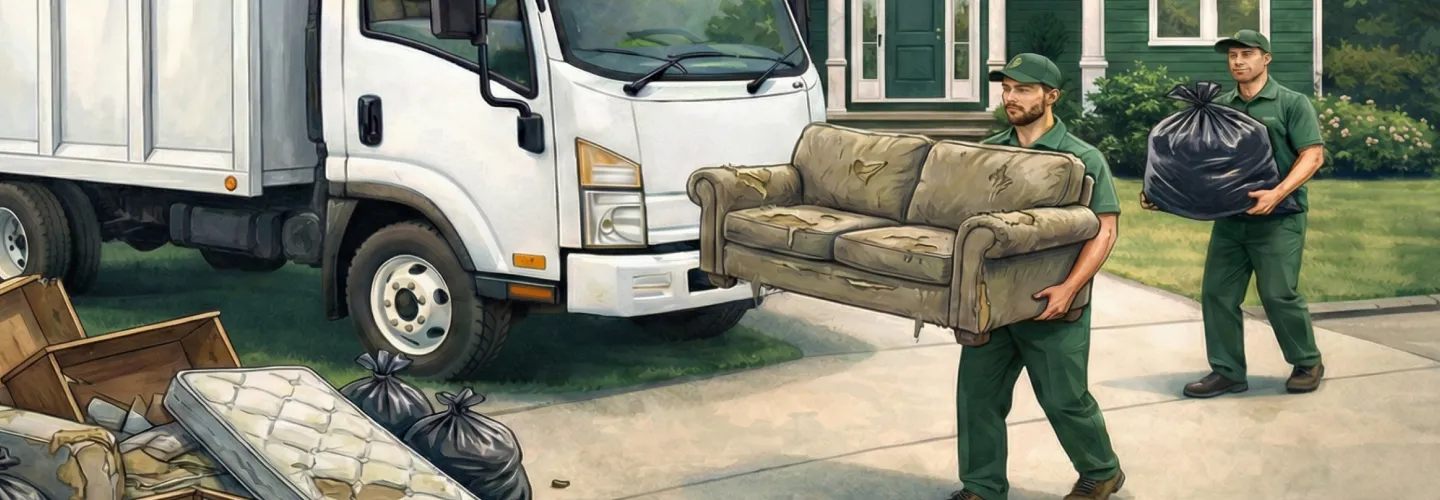
Duluth Hoarding Cleanup Services
Choose our hoarding cleanup team for respectful, judgment-free service that restores safety and comfort to your home—trusted by Duluth families for our professionalism and care.
Get a Free QuoteOur Duluth Junk Removal Services
Hoarding Cleanup in Duluth, GA – Local Service Guide
Hoarding cleanup in Duluth, GA requires a sensitive, thorough approach tailored to local needs. Whether you’re in Sugarloaf Country Club, Berkeley Lake, or Historic Downtown Duluth, clutter can accumulate due to life transitions, seasonal changes, or property turnover. Residential items like furniture, mattresses, and appliances often pile up during spring cleanouts, after major storms, or when replacing old goods. Local donation centers and recycling programs offer responsible disposal options, but access and weather can affect logistics, especially for large or heavy items. For residential spaces such as garages, basements, and yards, Duluth’s tree coverage and occasional flooding in neighborhoods like Cardinal Lake drive the need for regular cleanouts and yard waste removal, often timed with city trash pickup schedules. Commercial properties in areas like Pleasant Hill Road face unique challenges—restaurants and offices may require discreet, after-hours service to minimize disruption, while warehouses and medical facilities often generate higher volumes and need strict coordination. Specialty cleanups, including hoarding, estate, or foreclosure situations, demand careful planning, clear communication, and compliance with local ordinances. For guidance on local disposal rules and resources, visit the Duluth Public Works Department.
Benefits of Hoarding Cleanup in Duluth
Compassionate and Discreet Service
Certified Cleanup Professionals
Fast Response Times
Thorough Sanitization and Odor Removal
Customized Cleanup Plans
Safe Disposal of Hazardous Materials
Coordinating Hoarding Cleanup with Duluth's Code Compliance and Health Standards
Hoarding situations in Duluth often involve code compliance concerns related to property maintenance, structural safety, and sanitation. The Duluth Code Compliance division enforces municipal codes that address accumulation of materials posing fire hazards, pest infestations, or blocked egress points. Properties identified through complaint-driven investigations or routine inspections may receive violation notices requiring remediation within a specified timeframe.
- Fire hazard abatement: Accumulated materials blocking exits or near electrical panels must be removed to meet Gwinnett County fire code standards
- Structural load concerns: Excessive weight from hoarded items can compromise floor joists and stairways in older residential structures
- Pest and rodent infestations: Accumulated organic waste and clutter create harborage conditions requiring coordinated pest management before or during cleanup
- Blocked utilities: Access to HVAC systems, water heaters, and electrical panels must be restored during the cleanup process
Residents facing code violations related to hoarding conditions should contact the city's Planning and Development department to discuss compliance timelines and remediation expectations.
Duluth Code Compliance
3167 Main Street, Duluth, GA 30096
Phone: (770) 476-3434
Official Website: Duluth Code Compliance
Biohazard and Hazardous Material Disposal Requirements for Duluth Hoarding Cases
Hoarding environments frequently contain hazardous materials requiring specialized handling under Georgia and federal regulations. Common biohazards encountered include animal waste, spoiled food, mold-contaminated materials, and medical sharps. The Georgia Environmental Protection Division oversees solid waste management regulations that govern proper classification, transport, and disposal of these materials.
- Medical sharps and pharmaceuticals: Must be placed in puncture-resistant containers and disposed through Gwinnett County's Household Hazardous Waste collection events; never placed in curbside trash
- Mold-contaminated materials: Porous items such as mattresses, upholstered furniture, and drywall with visible mold growth require bagging and disposal at permitted solid waste facilities
- Animal waste and biological matter: Classified as biohazardous waste requiring separate containment and transport by licensed haulers
- Chemical products: Paints, solvents, pesticides, and cleaning agents found in hoarding environments are prohibited from landfill disposal under Resource Conservation and Recovery Act (RCRA) guidelines
- Lead paint debris: Pre-1978 homes in Duluth require lead-safe work practices per the EPA Renovation, Repair, and Painting Rule when disturbing painted surfaces during cleanup
Workers handling biohazardous materials must use appropriate personal protective equipment including respirators, gloves, and protective suits in accordance with OSHA bloodborne pathogen standards.
Georgia Environmental Protection Division
2 Martin Luther King Jr. Drive SE, Suite 1456, Atlanta, GA 30334
Phone: (404) 656-4713
Official Website: Georgia Environmental Protection Division
Recycling and Donation Diversion Strategies During Duluth Hoarding Cleanouts
Hoarding cleanup projects in Duluth generate substantial volumes of material, much of which may be salvageable through recycling or donation channels rather than landfill disposal. Georgia does not currently mandate electronics recycling at the state level, but Gwinnett County operates periodic e-waste collection events where televisions, computers, and peripherals are accepted at no charge. Appliances containing refrigerants require certified recovery under EPA Section 608 regulations before disposal.
- Furniture and household goods: Items in usable condition may be directed to local donation organizations such as Habitat for Humanity ReStore or Goodwill locations in the Duluth area
- Electronics: Computers, monitors, and televisions should be separated for e-waste recycling; Gwinnett County hosts collection events throughout the year
- Scrap metal: Appliances, shelving, and metal fixtures can be directed to licensed scrap metal facilities for material recovery
- Textiles and clothing: Wearable items may be donated; soiled or damaged textiles should be bagged separately for textile recycling where available
- Paper and cardboard: Recyclable paper products should be separated from general waste and placed in appropriate recycling streams
Sorting materials on-site during hoarding cleanup reduces landfill burden and supports Gwinnett County's waste diversion objectives. The Duluth Public Works Department can provide guidance on current curbside recycling acceptance and local drop-off options.
Duluth Public Works Department
3167 Main Street, Duluth, GA 30096
Phone: (770) 476-3434
Official Website: Duluth Public Works Department
Stormwater Protection and Environmental Compliance During Duluth Hoarding Removal
Large-scale hoarding cleanups in Duluth must account for stormwater management and pollution prevention requirements. The Duluth Stormwater Management program enforces regulations designed to prevent debris, sediment, and contaminants from entering the city's storm drain system during removal operations. Materials staged outdoors during cleanup must be managed to prevent runoff contamination.
- Debris staging: All materials awaiting transport must be placed on impervious surfaces or tarps to prevent contact with stormwater runoff
- Liquid waste containment: Leaking containers, spoiled food liquids, and chemical residues must be contained and cannot be discharged into storm drains or gutters
- Vehicle fluid management: Cleanup trucks and equipment parked on-site must not leak oil or hydraulic fluid onto driveways or streets
- Dust and particulate control: Dry, dusty materials should be dampened or covered during loading to prevent airborne dispersal into neighboring properties
- Cleanup of staging areas: All residual debris must be swept and removed from curbs, sidewalks, and streets upon project completion
Violations of stormwater protection standards may result in enforcement actions from both the City of Duluth and the Georgia EPD. Cleanup contractors should implement best management practices for erosion and sediment control throughout the duration of the project.
Duluth Stormwater Management
3167 Main Street, Duluth, GA 30096
Phone: (770) 476-3434
Official Website: Duluth Stormwater Management
Permits and Property Access Considerations for Hoarding Cleanup in Duluth
Hoarding cleanup projects in Duluth may require coordination with multiple city departments depending on the scope of work and property conditions. If structural repairs, demolition of built-in shelving, or removal of wall-mounted fixtures are necessary, building permits may be required through Duluth Planning and Development. Properties in planned developments or communities governed by homeowners associations may impose additional approval requirements before exterior staging or debris removal can begin.
- Right-of-way access: Cleanup vehicles parked on public streets or blocking sidewalks may require coordination with the city; Duluth's ordinances and regulations govern use of public rights-of-way
- Noise restrictions: Cleanup operations should comply with Duluth's noise ordinance provisions, typically limiting loud activities to daytime hours
- Multi-story navigation: Hoarding in upper-floor units requires assessment of stairwell width (minimum 36 inches for item passage) and structural integrity of stairs under repeated heavy loads
- Utility restoration: Properties with disconnected water, gas, or electricity may need utility reconnection before full cleanup can proceed safely
- Fire department coordination: Severe hoarding cases with blocked egress or structural concerns may involve Gwinnett County Fire and Emergency Services for safety assessments
Property owners should contact the Planning and Development department early in the process to determine whether permits or inspections are required before, during, or after the cleanup.
Duluth Planning & Development
3167 Main Street, Duluth, GA 30096
Phone: (770) 476-3434
Official Website: Duluth Planning & Development
What Neighborhoods Do We Serve Throughout Duluth, GA?
- Downtown Duluth: The historic town center features a mix of older commercial buildings and renovated residential properties. Narrow lot configurations and on-street parking limitations may require advance coordination for cleanup vehicle staging near the Town Green area.
- Parsons Run: This established single-family subdivision features homes built in the 1990s and early 2000s with standard two-car driveways and cul-de-sac layouts. Hoarding cleanup access is generally straightforward, though HOA notification may be required for extended exterior staging.
- Abbotts Run: A residential community with multi-story homes and moderate lot sizes. Upper-floor hoarding situations require stairwell assessment, and proximity to Duluth's commercial corridors provides convenient access to donation and recycling drop-off locations.
- Berkeley Walk: This newer mixed-use development includes townhomes and condominiums with shared parking areas. Building management coordination and resident notification are typically necessary before cleanup operations can begin in attached-unit settings.
- Duluth Summit: A neighborhood of single-family homes near major transportation routes. Wide residential streets accommodate cleanup vehicles, though properties with finished basements may present additional below-grade access challenges for heavy item removal.
- River Walk at Duluth: Located near the Chattahoochee River corridor, this community includes environmental buffer zones that require careful debris staging to prevent materials from entering protected waterways during hoarding cleanup operations.