
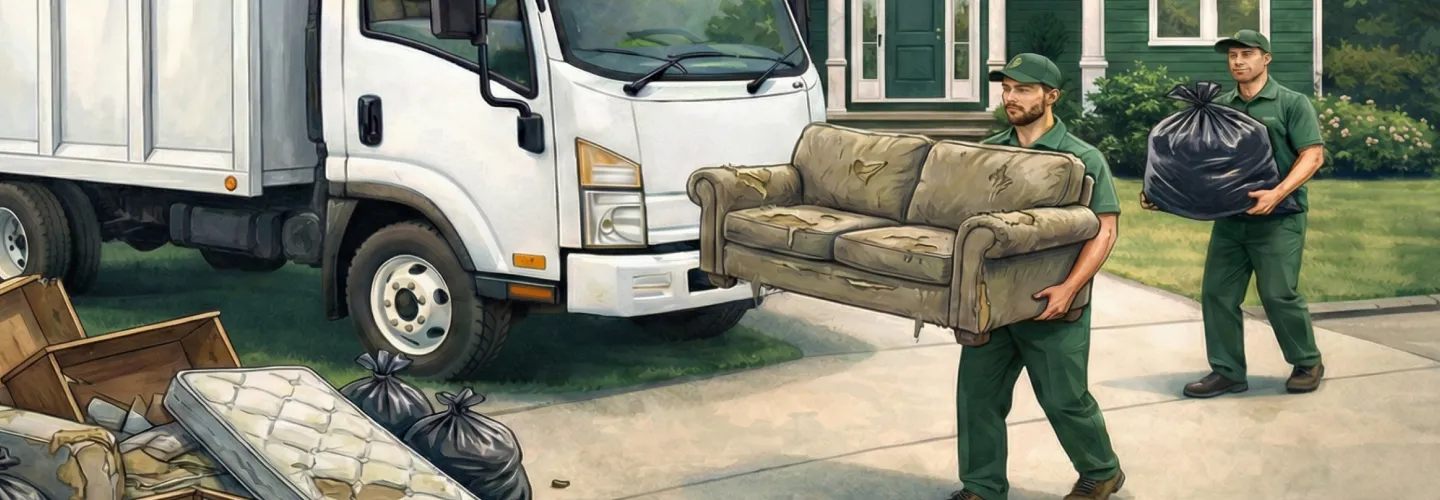
Duluth Restaurants Junk Removal Services
Choose our Restaurants Junk Removal for prompt, professional service that keeps your kitchen and dining areas spotless—so you can focus on serving your customers, not worrying about waste.
Get a Free QuoteOur Duluth Junk Removal Services
Restaurants Junk Removal in Duluth, GA – Local Service Guide
Restaurants in Duluth, GA, from bustling Parsons Alley to the vibrant Sugarloaf Marketplace, face unique junk removal needs. Whether it’s clearing out old kitchen equipment, replacing dining furniture, or managing post-renovation debris, local eateries require timely, discreet, and efficient solutions. Seasonal menu changes, health inspections, and high customer turnover often trigger the need for swift junk removal. In neighborhoods like Berkeley Lake and downtown Duluth, access and parking logistics can impact scheduling, especially during peak hours or festivals. Local disposal options include recycling, donation to area charities, or responsible landfill use, all while adhering to city regulations. For larger projects, such as full restaurant cleanouts or construction debris removal, coordination with property managers and adherence to Duluth’s waste ordinances is essential.
Benefits of Restaurants Junk Removal in Duluth
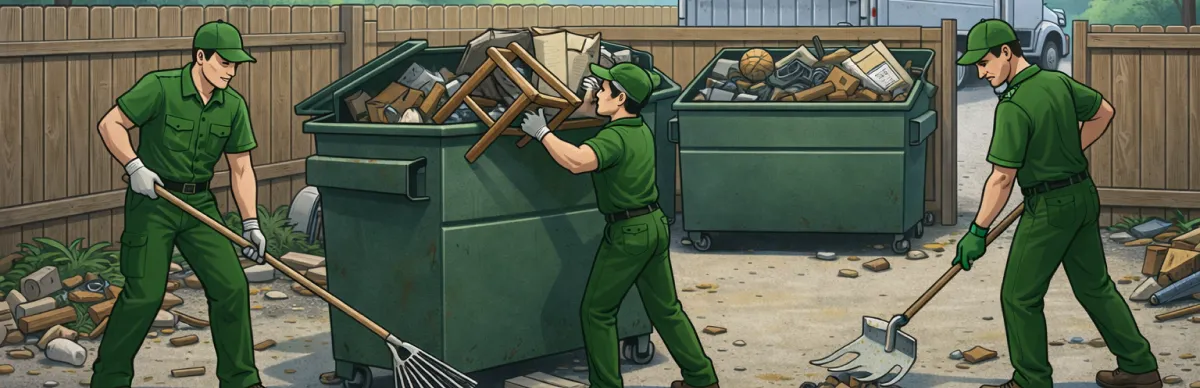
Fast and Reliable Junk Removal
Eco-Friendly Disposal Solutions
Flexible Scheduling for Restaurants
Licensed and Insured Professionals
Cost-Effective Service Packages
Improved Health and Safety Compliance
Coordinating Restaurant Equipment Disposal with Duluth's Public Works and Code Compliance Departments
Restaurant junk removal in Duluth, GA, requires coordination with multiple municipal departments to ensure proper disposal of commercial kitchen equipment, fixtures, and furnishings. The City of Duluth operates under Gwinnett County's broader solid waste management framework, and restaurant owners must comply with both city ordinances and county disposal regulations when clearing out equipment during closures, renovations, or lease turnovers. Key coordination steps include:
- Contact Duluth Public Works before scheduling large-scale removal to confirm any street access or loading zone requirements for commercial properties
- Verify code compliance for properties undergoing renovation or demolition, as building permits may be required before interior demolition begins
- Separate hazardous materials such as cooking oils, cleaning chemicals, and refrigerants from general waste streams before removal
- Schedule removal during permitted hours in accordance with Duluth's noise and commercial activity ordinances
- Confirm commercial hauler licensing requirements for any waste removal contractor operating within city limits
Duluth Public Works Department
3167 Main Street, Duluth, GA 30096
Phone: (770) 476-3434
Official Website: Duluth Public Works Department
Duluth Code Compliance
3167 Main Street, Duluth, GA 30096
Phone: (770) 476-3434
Official Website: Duluth Code Compliance
Georgia's Solid Waste Management Act and Commercial Restaurant Disposal Requirements
Restaurant junk removal in Duluth must comply with the Georgia Comprehensive Solid Waste Management Act (O.C.G.A. § 12-8-20) administered by the Georgia Environmental Protection Division (GA EPD). This legislation establishes the regulatory framework governing how commercial waste—including restaurant equipment, fixtures, and food-service materials—must be handled, transported, and disposed of throughout the state. Restaurant operators and junk removal contractors should be aware of the following requirements:
- Commercial solid waste generated by restaurants must be transported by permitted haulers to authorized disposal facilities
- Grease traps and used cooking oil are classified separately and must be collected by licensed rendering or recycling services—not disposed of in standard waste streams
- Refrigeration units containing refrigerants require certified recovery under EPA Section 608 regulations before disposal or recycling
- Electronics such as POS systems, monitors, and kitchen display screens should be directed to certified e-waste recyclers
- Construction and demolition debris from restaurant build-outs or tear-downs must be separated and hauled to permitted C&D landfills or recycling facilities
Georgia Environmental Protection Division
2 Martin Luther King Jr. Drive SE, Suite 1456, Atlanta, GA 30334
Phone: (404) 656-4713
Official Website: Georgia Environmental Protection Division
Hazardous Material Handling and Stormwater Compliance for Duluth Restaurant Cleanouts
Restaurant cleanouts in Duluth frequently involve hazardous or regulated materials that require specialized handling to protect worker safety and prevent environmental contamination. Duluth's Stormwater Management program enforces strict pollution prevention measures, and improper disposal of restaurant waste can result in stormwater violations and fines. Restaurant operators and removal contractors must address the following material categories:
- Used cooking oil and grease must never be poured into storm drains, sinks, or dumpsters; arrange collection through a licensed grease recycling service
- Cleaning chemicals, degreasers, and solvents are classified as hazardous waste and must be transported to an authorized household hazardous waste collection facility—Gwinnett County operates periodic collection events for these materials
- Fluorescent lighting tubes and CFL bulbs contain mercury and are prohibited from standard landfill disposal under Georgia regulations
- Fire suppression system chemicals (such as Ansul system agents) require specialized disposal by licensed contractors
- Asbestos-containing materials in older restaurant buildings constructed before 1980 must be surveyed and, if present, abated by a licensed contractor before demolition or renovation per EPA regulations
All waste loading and removal activities must prevent runoff of debris, liquids, or contaminants into Duluth's stormwater drainage system.
Duluth Permit and Zoning Requirements for Restaurant Renovation Debris Removal
When restaurant junk removal involves interior demolition, fixture removal, or structural modifications, Duluth's Planning and Development Department may require permits before work begins. Failure to obtain proper permits can result in stop-work orders, fines, and delays. Restaurant owners and contractors should verify the following before initiating removal:
- Building permits are required for any work involving structural changes, electrical disconnection, plumbing removal, or HVAC system decommissioning
- Zoning compliance must be confirmed, particularly if the restaurant space is being converted to a different commercial use
- Right-of-way access for removal trucks parked on public streets or blocking sidewalks may require coordination with Duluth Public Works
- Noise restrictions apply to commercial removal activities; verify permitted operating hours with the city before scheduling early morning or evening work
- Fire safety clearances must be maintained during removal—contact Gwinnett County Fire and Emergency Services if fire suppression systems are being disconnected or modified during the cleanout
Duluth Planning & Development Department
3167 Main Street, Duluth, GA 30096
Phone: (770) 476-3434
Official Website: Duluth Planning & Development
Recycling and Material Recovery Options for Restaurant Equipment in the Duluth Area
Diverting restaurant equipment and materials from landfills is both an environmental priority and, in many cases, a regulatory expectation under Georgia's solid waste management framework. Duluth-area restaurant operators have several options for recycling and reusing equipment removed during cleanouts, closures, or renovations:
- Stainless steel equipment (prep tables, shelving, sinks, hoods) has significant scrap metal value and should be directed to licensed metal recyclers in the Gwinnett County area
- Walk-in coolers and freezers require certified refrigerant recovery before the metal components can be recycled
- Smallwares and serviceware (plates, glassware, utensils) in usable condition may be donated to local nonprofit organizations or restaurant supply resale operations
- POS systems, computers, and monitors must be recycled through certified e-waste processors; Georgia does not currently have a statewide e-waste landfill ban, but responsible recycling is strongly encouraged by the GA EPD
- Furniture (booths, tables, chairs) in serviceable condition can be donated to charitable organizations or sold through restaurant equipment resellers, reducing landfill burden
Contractors should maintain documentation of all recycled and donated materials for regulatory compliance and potential tax deduction purposes.
What Neighborhoods Do We Serve Throughout Duluth, GA?
- Downtown Duluth: The historic town center features a mix of standalone restaurants and mixed-use commercial buildings along Main Street. Removal logistics require attention to pedestrian traffic, limited rear-access loading, and coordination with city events that may restrict street access.
- Sugarloaf Country Club Area: Upscale dining establishments in this area often feature larger commercial kitchens with heavy equipment. Wide road access facilitates truck entry, but HOA and community association guidelines may govern exterior staging and debris placement.
- Pleasant Hill Road Corridor: This high-traffic commercial corridor contains numerous restaurant properties in strip malls and shopping centers. Shared parking lots require coordination with property management for loading zone access and scheduling removal during off-peak business hours.
- Parsons Road / Satellite Boulevard Area: A growing commercial district with newer restaurant build-outs and fast-casual dining establishments. Properties typically offer adequate loading dock access, though coordination with adjacent businesses is necessary during large-scale cleanouts.
- Duluth Town Green District: Restaurants near the Town Green and festival areas face seasonal access restrictions during community events. Advance scheduling with the city is recommended, and removal vehicles must avoid blocking public park access points and pedestrian pathways.
- Peachtree Industrial Boulevard Corridor: This major commercial artery hosts a diverse range of restaurant types, from large banquet facilities to small ethnic eateries. Building ages vary, and older structures may require hazardous material assessments before interior demolition or renovation debris removal.