
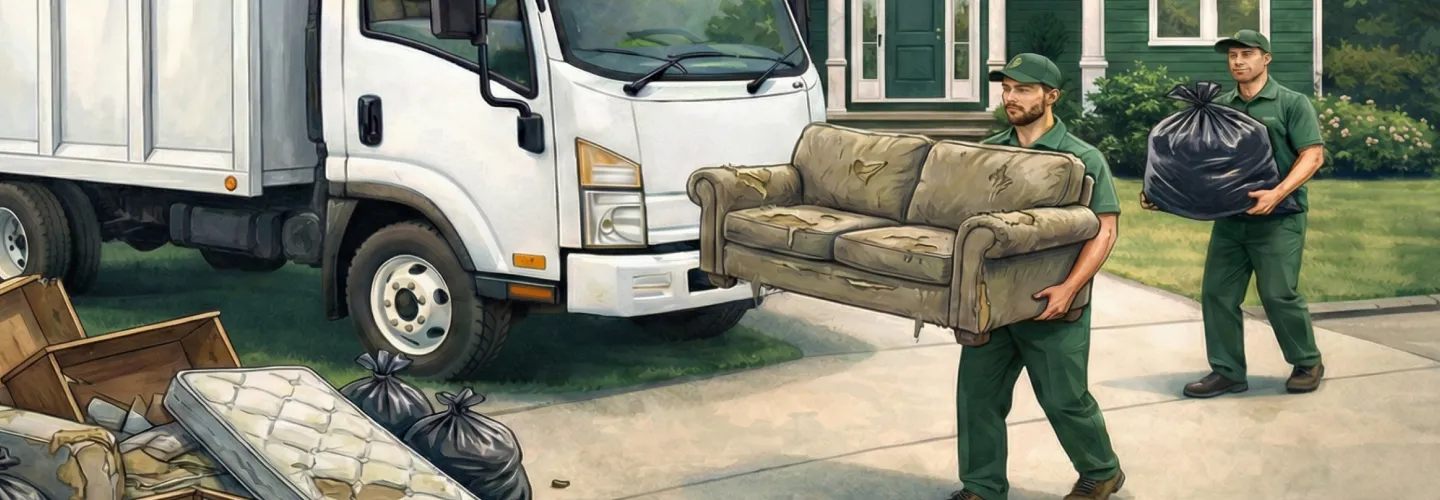
Duluth Yard Waste Removal Services
Choose our Yard Waste Removal for fast, reliable service that keeps your property clean and eco-friendly—saving you time and hassle while supporting a healthier environment.
Get a Free QuoteOur Duluth Junk Removal Services
Yard Waste Removal in Duluth, GA – Local Service Guide
Yard waste removal in Duluth, GA is essential for maintaining beautiful properties in neighborhoods like Sugarloaf Country Club and Berkeley Lake. Homeowners often need removal services after seasonal cleanups, storm debris, or landscaping projects. In spring and fall, residents clear leaves, branches, and grass clippings, while summer storms can bring down limbs that require prompt disposal. For residential items such as old furniture or appliances, timing often aligns with home renovations or major life events. Local options include donation, recycling, or city-approved disposal, with logistics shaped by property access, weather, and item size. Commercial clients in areas like Downtown Duluth and Peachtree Industrial Boulevard face unique needs—restaurants and offices may require discreet, scheduled pickups to minimize disruption. Specialty services, such as for construction debris or estate cleanouts, demand careful planning and coordination, especially in flood-prone or tree-heavy zones. For local rules and resources, visit the Duluth Public Works Department.
Key Considerations for Yard Waste Removal in Duluth
- Seasonal timing: spring/fall cleanups, post-storm debris
- Permits and local disposal regulations
- Access challenges in wooded or flood-prone neighborhoods
- Volume and frequency based on property size and tree coverage
- Coordination for large or specialty items (e.g., hot tubs, construction debris)
- Approved disposal and recycling channels
Benefits of Yard Waste Removal in Duluth
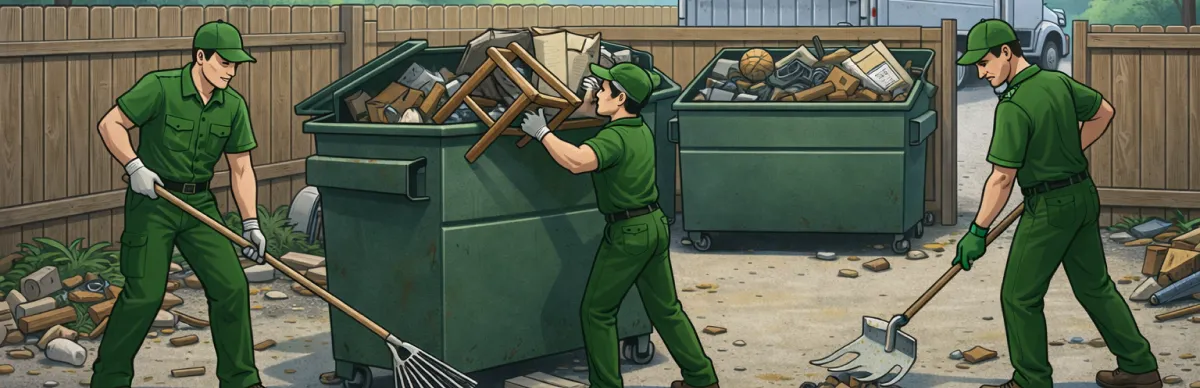
Fast Yard Waste Pickup
Eco-Friendly Disposal
Affordable Service Rates
Convenient Scheduling Options
Experienced Local Team
Comprehensive Cleanup Solutions
Coordinating Yard Waste Disposal with Duluth's Public Works and Gwinnett County Services
Duluth, Georgia, is located within Gwinnett County, and residential yard waste collection is primarily managed through the county's solid waste framework. Residents must separate yard waste from regular household trash and place it curbside in designated containers or biodegradable bags. Acceptable yard waste materials include the following:
- Grass clippings and leaves placed in paper yard waste bags or personal containers labeled "yard waste"
- Small branches and limbs cut to lengths no longer than four feet and bundled with twine
- Brush and shrubs trimmed and bundled separately from bagged materials
- Pine straw and garden trimmings free of soil, rocks, or other debris
Yard waste must not be mixed with construction debris, household garbage, or hazardous materials. Contaminated loads may be refused by collection crews. Residents should confirm their specific collection day through their contracted hauler, as schedules vary by neighborhood and service provider.
Duluth Public Works Department
3167 Main Street, Duluth, GA 30096
Phone: (770) 476-3434
Official Website: Duluth Public Works Department
Duluth Tree Removal Permits and Yard Debris Handling Requirements
Property owners in Duluth who plan to remove trees as part of yard maintenance or landscaping projects must comply with the city's tree preservation ordinance. A tree removal permit is required before cutting down regulated trees, and failure to obtain one may result in code enforcement action and fines. Key requirements include:
- Permit application must be submitted through Duluth Planning & Development before any tree removal begins
- Arborist assessment may be required for specimen trees or trees within buffer zones
- Replacement planting may be mandated depending on the size and species of the removed tree
- Stumps and root systems must be properly disposed of and not left in the public right-of-way
Once trees are removed, the resulting debris—including trunks, branches, and root material—must be processed as yard waste. Large volumes of tree debris that exceed standard curbside collection limits may require transport to a Gwinnett County facility or coordination with a licensed hauler. Residents should review the city's tree removal regulations for complete permit details.
Duluth Code Compliance
3167 Main Street, Duluth, GA 30096
Phone: (770) 476-3434
Official Website: Duluth Code Compliance
Georgia's Solid Waste Management Act and Yard Waste Disposal Regulations
Georgia state law governs the disposal of yard waste through the Georgia Comprehensive Solid Waste Management Act (O.C.G.A. § 12-8-20), which establishes standards for waste handling, landfill operations, and recycling across all municipalities. Under this act, yard waste is classified separately from municipal solid waste, and specific provisions apply:
- Yard trimmings are banned from municipal solid waste landfills in Georgia, requiring diversion to composting facilities or yard waste processing centers
- Composting operations accepting yard waste must hold permits issued by the Georgia Environmental Protection Division
- Burning of yard waste is regulated by local ordinances and Georgia's open burning rules; Duluth residents should verify whether open burning is permitted in their area before igniting any debris
- Illegal dumping of yard waste in streams, drainage ditches, or vacant lots violates state environmental law and may trigger penalties from both city code enforcement and the Georgia EPD
Gwinnett County operates yard waste processing programs that accept materials from Duluth residents. Compliance with the state landfill ban on yard trimmings is mandatory, and haulers transporting yard waste must deliver loads to approved composting or mulching facilities rather than standard landfills.
Stormwater Protection and Proper Yard Waste Management in Duluth
Improper disposal of yard waste directly impacts Duluth's stormwater infrastructure and local water quality. Leaves, grass clippings, and organic debris that enter storm drains can cause blockages, increase nutrient loading in waterways, and contribute to downstream flooding. The city's Stormwater Management program enforces regulations to prevent these outcomes. Residents and landscaping contractors should observe the following practices:
- Never blow or rake yard waste into streets, gutters, or storm drains
- Keep curbside yard waste contained in bags or bundles to prevent scattering before collection
- Avoid stockpiling leaves or clippings near creek banks, retention ponds, or drainage easements
- Mulch in place when possible to reduce runoff and the volume of material requiring disposal
- Report illegal dumping of yard waste in waterways or drainage infrastructure to Duluth Code Compliance
Violations of stormwater protection ordinances may result in fines and required remediation. Landscaping companies operating in Duluth should ensure crews are trained on proper yard waste containment during transport and disposal to avoid contributing to stormwater pollution.
Duluth Stormwater Management
3167 Main Street, Duluth, GA 30096
Phone: (770) 476-3434
Official Website: Duluth Stormwater Management
Seasonal Yard Waste Volume and Sorting Requirements for Duluth Residents
Duluth's climate produces significant seasonal fluctuations in yard waste volume. Fall leaf drop and spring landscaping generate the heaviest loads, and residents should plan accordingly to remain compliant with collection guidelines. Proper sorting and preparation are essential:
- Fall season: Bag leaves separately from branches; do not overfill bags beyond 50 pounds to ensure safe handling by collection crews
- Spring cleanup: Separate flowering plant debris, mulch, and soil from standard yard trimmings; soil and sod are typically not accepted as yard waste
- Storm debris: After severe weather events, Gwinnett County may activate special debris collection programs; monitor county announcements for temporary drop-off sites and extended collection schedules
- Prohibited materials: Treated lumber, painted wood, pressure-washed residue, and landscape fabric must not be included with yard waste and require separate disposal as construction debris or household waste
- Composting at home: Residents are encouraged to compost leaves, grass clippings, and small plant trimmings to reduce curbside volume and support landfill diversion goals
Large-scale yard cleanouts producing more than the standard curbside allowance may require scheduling a special pickup or self-hauling to a Gwinnett County yard waste processing facility.
What Neighborhoods Do We Serve Throughout Duluth, GA?
- Downtown Duluth: The historic town center features a mix of older single-family homes and commercial properties along Main Street. Narrow lot lines and mature tree canopies generate significant leaf and branch debris, and tree removal permits may be required for specimens within the historic corridor.
- Sugarloaf Country Club: This established residential community includes large lots with extensive landscaping. High seasonal yard waste volumes from manicured lawns and ornamental plantings are common, and HOA guidelines may govern curbside placement timing and appearance.
- Parsons Place: A newer subdivision with moderate lot sizes and young tree plantings. Standard curbside yard waste collection is generally straightforward, though residents should confirm bundling and bag requirements with their contracted hauler.
- Berkeley Lake Road Corridor: Properties along this corridor often feature wooded lots with significant tree cover. Storm debris cleanup and large branch removal are frequent needs, and proximity to creek buffers requires careful attention to stormwater protection rules.
- Duluth Town Green Area: Mixed-use development surrounding the Town Green includes townhomes and condominiums with shared landscaping. Property management companies typically coordinate yard waste removal, and individual unit owners should verify responsibility through their association.
- Pleasant Hill Road Vicinity: A commercially active area with residential neighborhoods nearby featuring established trees and dense vegetation. Access for yard waste collection vehicles may be limited on side streets, and residents should avoid placing debris in commercial parking areas or public rights-of-way.