
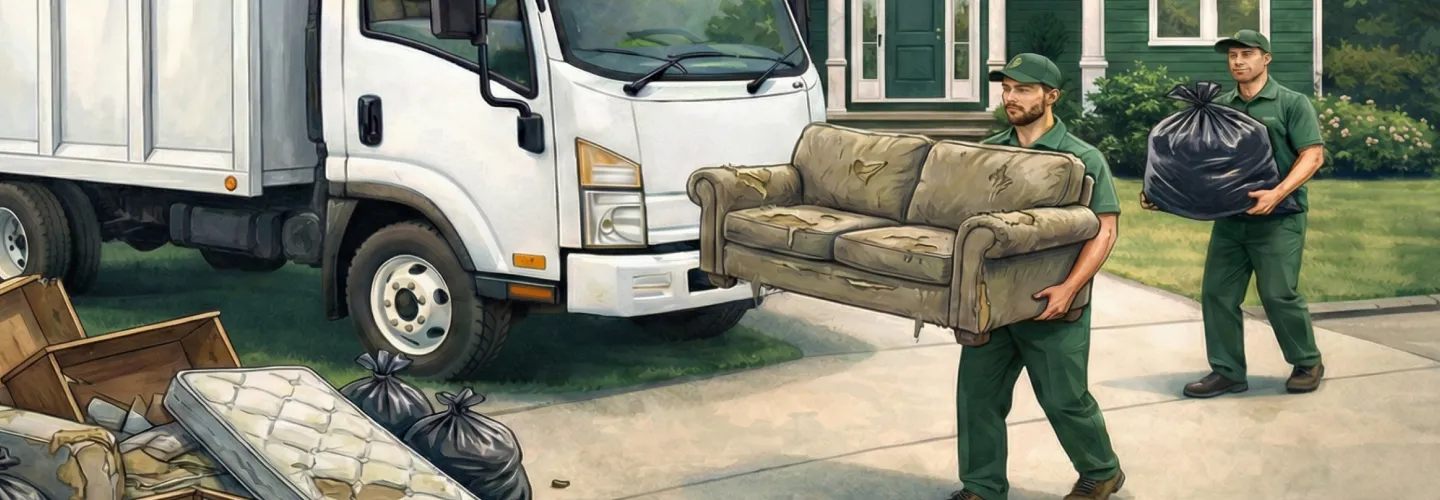
Duluth Construction Debris Removal Services
Choose our Construction Debris Removal for fast, reliable, and eco-friendly service that keeps your job site safe and clutter-free—so you can focus on building, not cleaning.
Get a Free QuoteOur Duluth Junk Removal Services
Construction Debris Removal in Duluth, GA – Local Service Guide
Construction debris removal in Duluth, GA is essential for keeping homes, businesses, and neighborhoods clean and safe. In residential areas like Sugarloaf Country Club and Berkeley Lake, debris often accumulates during home renovations, appliance upgrades, or seasonal cleanouts. Residents may need to dispose of old furniture, mattresses, or scrap metal after storms or when replacing large items. Local options include donation, recycling, or scheduled pickups, but access and weather—especially during rainy spring months—can affect logistics.
For residential spaces such as garages, basements, and yards, cleanouts are common after heavy rains or during fall leaf cycles. Properties near the Chattahoochee River may face unique challenges with flooding and tree debris. Commercial zones like Pleasant Hill Road see frequent debris from office remodels, restaurant upgrades, and retail turnovers, requiring discreet, timely removal to minimize business disruption. Specialty services—such as dumpster rentals or estate cleanouts—are often needed for larger projects, foreclosures, or hoarding situations, demanding careful planning and coordination with local guidelines. For more on local rules and resources, visit the Duluth Public Works Department.
Key Considerations for Construction Debris Removal in Duluth
- Timing projects around weather and local events
- Securing necessary permits for large disposals
- Using approved disposal and recycling channels
- Ensuring easy access for removal vehicles
- Estimating debris volume accurately
- Coordinating with city schedules and category-specific requirements
Benefits of Construction Debris Removal in Duluth
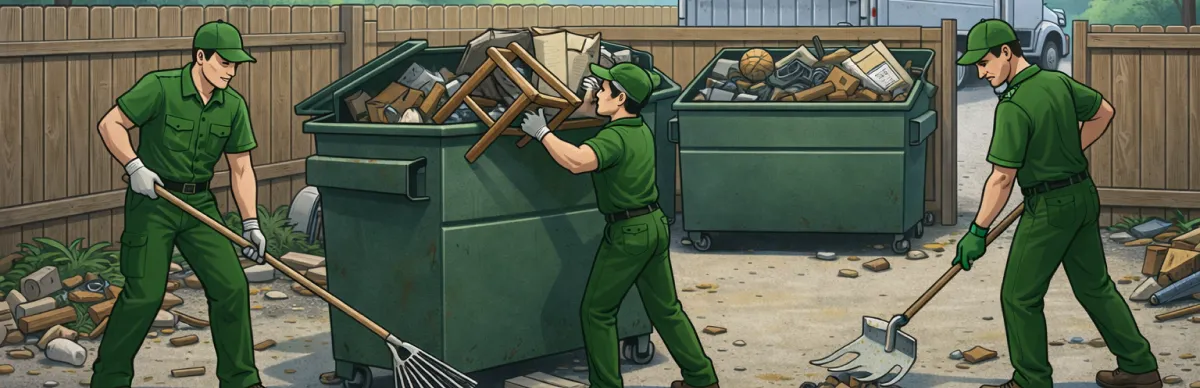
Fast and Reliable Cleanup
Safe Job Site Practices
Eco-Friendly Disposal Solutions
Cost-Effective Debris Removal
Experienced Local Professionals
Flexible Scheduling Options
Coordinating Construction Debris Disposal with Duluth's Planning and Development Department
Construction and demolition (C&D) debris generated from renovation, remodeling, or demolition projects in Duluth must be managed in accordance with municipal ordinances and Gwinnett County disposal requirements. Duluth's Planning and Development Department oversees building permits and development standards that directly affect how construction waste is handled on-site and transported for disposal. Before beginning any project that generates significant debris, property owners and contractors should confirm permit requirements and waste management expectations.
- Building permits are required for most renovation and demolition projects generating construction debris
- On-site debris containment must comply with Duluth's municipal ordinances and regulations governing property maintenance
- Debris accumulation on residential or commercial properties may trigger code compliance investigations
- Hauling contractors must maintain proper licensing and insurance when operating within city limits
- Project timelines should account for permit processing and waste removal scheduling
Duluth Planning & Development Department
3167 Main Street, Duluth, GA 30096
Phone: (770) 476-3434
Official Website: Duluth Planning & Development
Duluth Code Compliance Standards for Construction Site Waste Management
Duluth enforces property maintenance and code compliance standards that apply directly to construction debris management on active and completed project sites. The Duluth Code Compliance division investigates violations related to debris accumulation, improper storage of construction materials, and failure to maintain clean work sites. Contractors and homeowners must ensure that construction waste does not create hazards, obstruct public rights-of-way, or negatively impact neighboring properties.
- Debris must not be placed in public rights-of-way, sidewalks, or stormwater drainage areas without authorization
- Construction materials such as lumber, drywall, roofing shingles, and concrete must be contained on the project site
- Open burning of construction debris is prohibited within Duluth city limits
- Violations may result in citations, fines, and mandatory corrective action within specified timeframes
- Repeat offenses can lead to escalated enforcement actions and potential stop-work orders on active permits
Property owners bear ultimate responsibility for ensuring construction debris is removed promptly upon project completion, even when hiring third-party contractors.
Duluth Code Compliance Division
3167 Main Street, Duluth, GA 30096
Phone: (770) 476-3434
Official Website: Duluth Code Compliance
Georgia's Solid Waste Management Act and Construction Debris Regulations
Georgia's regulatory framework for construction and demolition debris is governed by the Georgia Comprehensive Solid Waste Management Act (O.C.G.A. § 12-8-20) and administered by the Georgia Environmental Protection Division (GA EPD). This legislation establishes classifications for C&D waste, permitting requirements for disposal facilities, and standards for material handling. Construction debris—including wood, concrete, brick, asphalt, metals, drywall, and roofing materials—is classified separately from municipal solid waste and must be disposed of at facilities permitted to accept C&D materials.
- C&D landfills in Georgia require specific permits from GA EPD and are distinct from municipal solid waste landfills
- Asbestos-containing materials must be handled by licensed abatement contractors and disposed of at facilities authorized under federal and state regulations
- Lead-based paint debris from pre-1978 structures requires compliance with the EPA Renovation, Repair, and Painting Rule
- Concrete, brick, and clean fill may be accepted at inert waste landfills or recycled at aggregate processing facilities
- Hazardous materials such as solvents, adhesives, and treated wood are prohibited from C&D disposal streams
Georgia Environmental Protection Division
2 Martin Luther King Jr. Drive SE, Suite 1456, Atlanta, GA 30334
Phone: (404) 656-4713
Official Website: Georgia Environmental Protection Division
Stormwater Protection Requirements During Duluth Construction Debris Removal
Construction debris removal activities in Duluth must comply with stormwater management regulations designed to prevent sediment, pollutants, and construction materials from entering the city's drainage infrastructure and waterways. The Duluth Stormwater Management program enforces erosion and sediment control measures on construction sites, which directly affect how debris is staged, stored, and removed. Failure to implement proper controls can result in violations under both local ordinances and the Georgia Erosion and Sedimentation Act.
- Silt fencing and erosion controls must remain in place during debris removal operations on graded or disturbed sites
- Debris staging areas should be located away from storm drains, catch basins, and natural drainage channels
- Concrete washout and construction slurry must be contained and cannot be discharged into stormwater systems
- Loose materials such as sawdust, insulation, and packaging must be secured to prevent wind dispersal into waterways
- Spill prevention measures are required when removing debris contaminated with paints, sealants, or petroleum products
Contractors operating in Duluth should coordinate with the city's stormwater division to verify site-specific requirements before initiating large-scale debris removal.
Material Sorting and Recycling Obligations for Duluth Construction Projects
Responsible construction debris management in Duluth includes separating recyclable materials from the general waste stream to reduce landfill burden and comply with environmental stewardship goals. Gwinnett County and the broader metro Atlanta region offer multiple facilities that accept sorted C&D materials for recycling and reprocessing. Separating materials on-site before transport improves disposal efficiency and may reduce overall project costs at permitted facilities.
- Metals including steel framing, copper piping, aluminum flashing, and rebar are accepted at scrap metal recycling facilities throughout Gwinnett County
- Clean concrete and masonry can be processed into recycled aggregate at permitted crushing operations
- Untreated wood may be accepted for mulching or biomass processing at select facilities
- Asphalt shingles are recyclable at specialized processors that reuse material in road paving applications
- Drywall and gypsum board should be separated from other debris, as some C&D facilities accept clean drywall for recycling
- Mixed C&D loads containing unsorted materials typically incur higher disposal fees at transfer stations and landfills
The EPA Region 4 Southeast office provides additional guidance on construction waste diversion strategies and federal compliance standards applicable to Georgia projects.
What Neighborhoods Do We Serve Throughout Duluth, GA?
- Downtown Duluth: The historic town center features a mix of older commercial buildings and newer mixed-use developments. Renovation projects in this area may encounter lead paint or asbestos in pre-1980 structures, requiring specialized handling and certified abatement before debris removal can proceed.
- Parsons Run: This established residential subdivision consists primarily of single-family homes with standard driveway access. Roof replacements and home additions generate significant debris volumes, and neighborhood covenants may impose restrictions on debris staging timelines.
- Sugarloaf Country Club: Larger estate-style homes and active HOA oversight characterize this community. Construction debris removal must comply with association guidelines regarding hauling schedules, truck access routes, and on-site material storage duration.
- Berkeley Lake Road Corridor: A transitional area with both residential properties and commercial developments undergoing renovation. Street access for debris hauling vehicles requires coordination with Duluth's Public Works Department when right-of-way use is necessary.
- Satellite Boulevard Commercial District: High-density commercial and retail properties along this corridor frequently generate construction debris from tenant buildouts and interior renovations. Loading dock access and business-hour scheduling are key logistical considerations.
- Rogers Bridge Area: Newer residential developments with ongoing construction activity produce substantial C&D waste. Proximity to active building sites requires careful coordination to avoid conflicts with other construction traffic and municipal infrastructure projects.