
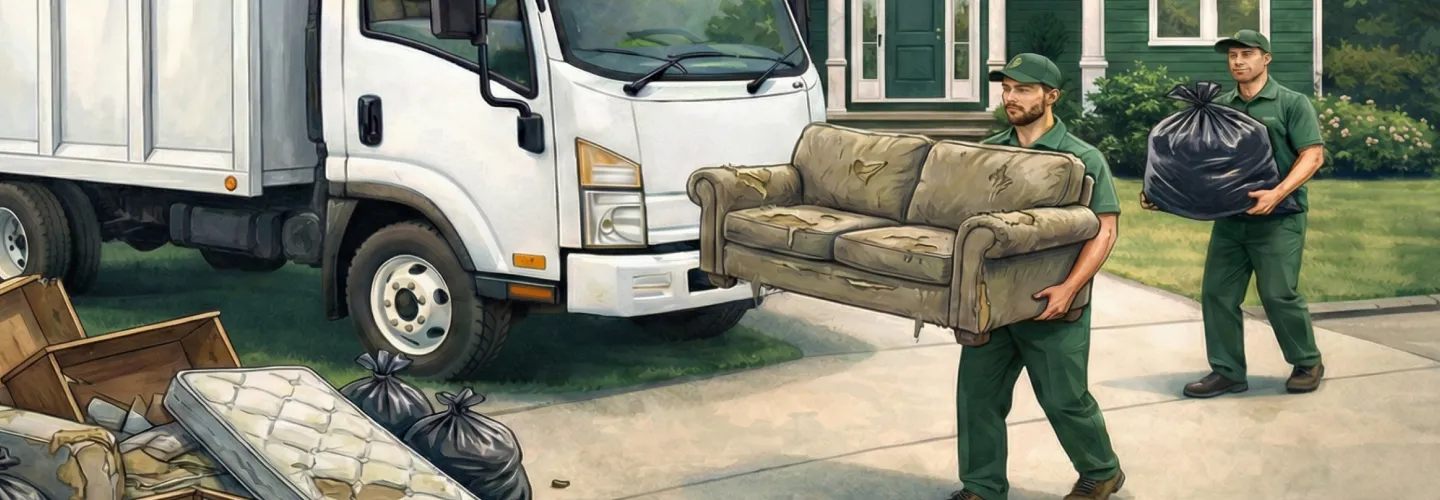
Duluth Basement & Attic Cleaning Services
Choose our expert Basement & Attic Cleaning for a healthier, clutter-free home—our team removes dust, debris, and allergens, creating a safer and more comfortable living environment for your family.
Get a Free QuoteOur Duluth Junk Removal Services
Basement & Attic Cleaning in Duluth, GA – Local Service Guide
Basement and attic cleaning in Duluth, GA is essential for maintaining healthy, organized homes—especially in neighborhoods like Sugarloaf Country Club and Old Peachtree. Seasonal changes, such as spring storms or fall leaf buildup, often trigger cleanouts, while life events like moving or renovations also prompt action. In Duluth, older homes in areas like Berkeley Lake may face unique challenges with moisture or access, making professional cleaning and disposal crucial. For residential items—furniture, appliances, or electronics—residents can donate, recycle, or arrange for proper disposal, considering local weather and property layouts. Commercial properties near Pleasant Hill Road or downtown Duluth require discreet, timely service to minimize disruption, with larger volumes and stricter operational needs. Specialty cleanouts, such as estate or hoarding situations, demand careful planning and coordination, especially when navigating city regulations or flood-prone basements.
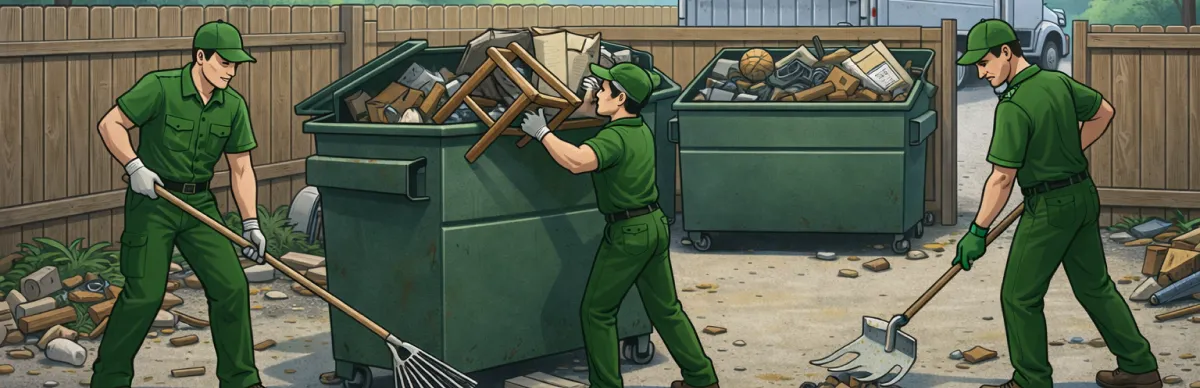
Benefits of Basement & Attic Cleaning in Duluth
Improved Indoor Air Quality
Enhanced Home Safety
Prevention of Mold and Mildew
Increased Storage Space
Pest Infestation Control
Boosted Property Value
Coordinating Basement and Attic Cleanout Debris with Duluth's Public Works Department
Basement and attic cleaning projects in Duluth, GA, frequently generate large volumes of accumulated household items, old furniture, stored electronics, and miscellaneous debris requiring proper disposal coordination. The City of Duluth operates within Gwinnett County's solid waste framework, and residents must follow municipal guidelines when disposing of materials removed from these spaces. Key considerations include:
- Sorting requirements: Separate recyclable materials (metals, cardboard, electronics) from general waste before disposal
- Bulk item scheduling: Contact Gwinnett County Solid Waste Management to arrange pickup for oversized items such as old furniture, shelving units, and large storage containers
- Prohibited curbside items: Hazardous materials including old paint cans, solvents, pesticides, and automotive fluids commonly found in basements cannot be placed curbside
- Volume limitations: Standard residential collection may not accommodate the volume generated by a full basement or attic cleanout; additional hauling arrangements may be necessary
Residents should consult the Duluth Public Works Department for current infrastructure and service guidance before beginning large-scale cleanout projects.
Duluth Public Works Department
3167 Main Street, Duluth, GA 30096
Phone: (770) 476-3434
Official Website: Duluth Public Works Department
Hazardous Material Identification During Duluth Basement and Attic Cleaning Projects
Basements and attics in Duluth homes—particularly those built before 1978—may contain hazardous materials that require specialized handling. Lead-based paint on stored items, walls, and trim is a common concern in older properties. The EPA Renovation, Repair, and Painting Rule mandates lead-safe work practices when disturbing painted surfaces in pre-1978 structures. Additional hazards frequently encountered include:
- Asbestos-containing materials: Insulation wrapping on pipes, ductwork tape, and older ceiling tiles may contain asbestos; a licensed inspector should assess suspect materials before disturbance
- Old chemical storage: Pesticides, herbicides, paint thinners, and pool chemicals stored for years may have degraded containers and require hazardous waste disposal
- Mercury-containing devices: Old thermostats, thermometers, and fluorescent light tubes must not be placed in regular trash
- Mold and biological hazards: Damp basements may harbor mold growth on stored items, requiring proper respiratory protection during cleaning
Gwinnett County periodically hosts Household Hazardous Waste Collection Events where residents can dispose of these materials at no charge. Contact the Georgia Environmental Protection Division for state-level guidance on hazardous waste handling and licensed disposal facilities.
Duluth Code Compliance
3167 Main Street, Duluth, GA 30096
Phone: (770) 476-3434
Official Website: Duluth Code Compliance
Georgia's Solid Waste Management Act and Disposal Requirements for Cleanout Materials
Georgia's Solid Waste Management Act (O.C.G.A. § 12-8-20 et seq.) establishes the regulatory framework governing how materials removed during basement and attic cleaning projects must be handled statewide. Duluth residents and service providers must comply with both state and local disposal mandates. Key provisions relevant to cleanout projects include:
- Landfill restrictions: Tires, lead-acid batteries, and yard trimmings are banned from Georgia municipal solid waste landfills
- Electronics disposal: While Georgia does not currently enforce a statewide e-waste landfill ban, responsible recycling of computers, televisions, and peripherals is strongly encouraged through county programs
- Appliance handling: Refrigerators, air conditioners, and dehumidifiers found in basements require refrigerant recovery by an EPA Section 608-certified technician before disposal
- Scrap metal separation: Metal shelving, old tools, and appliance components should be separated for scrap metal recycling rather than landfill disposal
- Construction debris: If cleanout involves removing built-in shelving, paneling, or flooring, this material may be classified as construction and demolition debris subject to separate disposal requirements
Georgia Environmental Protection Division
2 Martin Luther King Jr. Drive SE, Suite 1456, Atlanta, GA 30334
Phone: (404) 656-4713
Official Website: Georgia Environmental Protection Division
Stormwater Protection and Pollution Prevention During Duluth Attic and Basement Projects
Basement and attic cleaning activities in Duluth can inadvertently impact local stormwater systems if debris, dust, or liquid waste enters storm drains. The City of Duluth maintains an active Stormwater Management Program that enforces pollution prevention standards applicable to residential and commercial properties. Residents and contractors should observe the following precautions:
- Debris containment: Secure all removed materials in bags or covered containers before transporting outside to prevent wind-blown debris from entering storm drains
- Liquid waste prohibition: Never pour old paint, cleaning solvents, or other liquids down floor drains or into outdoor storm grates; these systems discharge directly to local waterways
- Dust and particulate control: Sweeping or vacuuming attic insulation and basement dust prevents airborne particles from settling into drainage infrastructure
- Loading area management: When staging removed items on driveways or curbs for pickup, ensure materials do not block or contaminate stormwater inlets
- Reporting spills: Any accidental release of hazardous materials during a cleanout project should be reported to Duluth's stormwater management office immediately
Compliance with these measures supports Duluth's obligations under the federal Clean Water Act and Georgia's stormwater permitting requirements.
Duluth Stormwater Management
3167 Main Street, Duluth, GA 30096
Phone: (770) 476-3434
Official Website: Duluth Stormwater Management
Recycling and Donation Options for Items Recovered from Duluth Basement and Attic Cleanouts
Before disposing of items removed during basement and attic cleaning, Duluth residents should evaluate materials for recycling or donation to maximize landfill diversion. Gwinnett County operates recycling drop-off centers that accept many common cleanout materials. Reuse and recycling options include:
- Furniture and household goods: Usable items such as tables, chairs, lamps, and storage units can be donated to local organizations including Habitat for Humanity ReStore and Goodwill locations in the Gwinnett County area
- Electronics: Old computers, monitors, printers, and televisions should be taken to designated e-waste recycling drop-off points rather than placed in household trash
- Scrap metal: Metal shelving, old tools, filing cabinets, and exercise equipment can be taken to scrap metal recyclers for material recovery
- Cardboard and paper: Boxes, old documents, and paper goods stored in attics should be bundled and placed in curbside recycling bins
- Textiles and clothing: Old clothing, linens, and fabric items can be donated or placed in textile recycling collection bins available at various locations throughout Duluth
Residents should verify current accepted items and hours with individual facilities before transporting materials. The Duluth Planning & Development Department can provide guidance on local ordinances related to material reuse and waste reduction goals.
What Neighborhoods Do We Serve Throughout Duluth, GA?
- Downtown Duluth: The historic town center features a mix of older commercial buildings and renovated residential properties. Narrow lot configurations and limited staging areas may require advance coordination for large-volume basement cleanouts, and older structures may contain lead paint or asbestos requiring professional assessment.
- Parsons Run: This established single-family residential community features homes with full basements and accessible attics. Wide driveways and cul-de-sac layouts generally accommodate service vehicle access, though HOA guidelines may govern curbside staging of removed materials.
- Sugarloaf Country Club: Larger estate-style homes in this community often have expansive basements and attic spaces with significant accumulation potential. Gated entry and HOA approval requirements should be confirmed before scheduling cleanout services.
- Berkeley Hills: This neighborhood includes multi-level homes with walk-out basements common to the area's rolling terrain. Sloped driveways and tiered landscaping may present access challenges for heavy item removal from lower-level spaces.
- Duluth Town Green Area: Properties near the Town Green include newer townhomes and mixed-use developments with limited basement and attic storage. Shared parking areas and pedestrian zones require careful scheduling to avoid conflicts with community events and foot traffic.
- Rogers Bridge Area: Homes in this developing section of Duluth feature newer construction with modern attic access points and unfinished basements. Construction-era debris and leftover building materials are commonly encountered during initial cleanout projects in recently completed homes.